Choosing the Right Wood for Laser Engraving
Selecting the appropriate wood is essential to achieve exceptional results in laser engraving. Different woods react uniquely to laser engraving, influencing the clarity, contrast, and overall quality of your design. This guide helps you understand the best wood types for laser engraving and how their properties impact your projects.
Explore ↗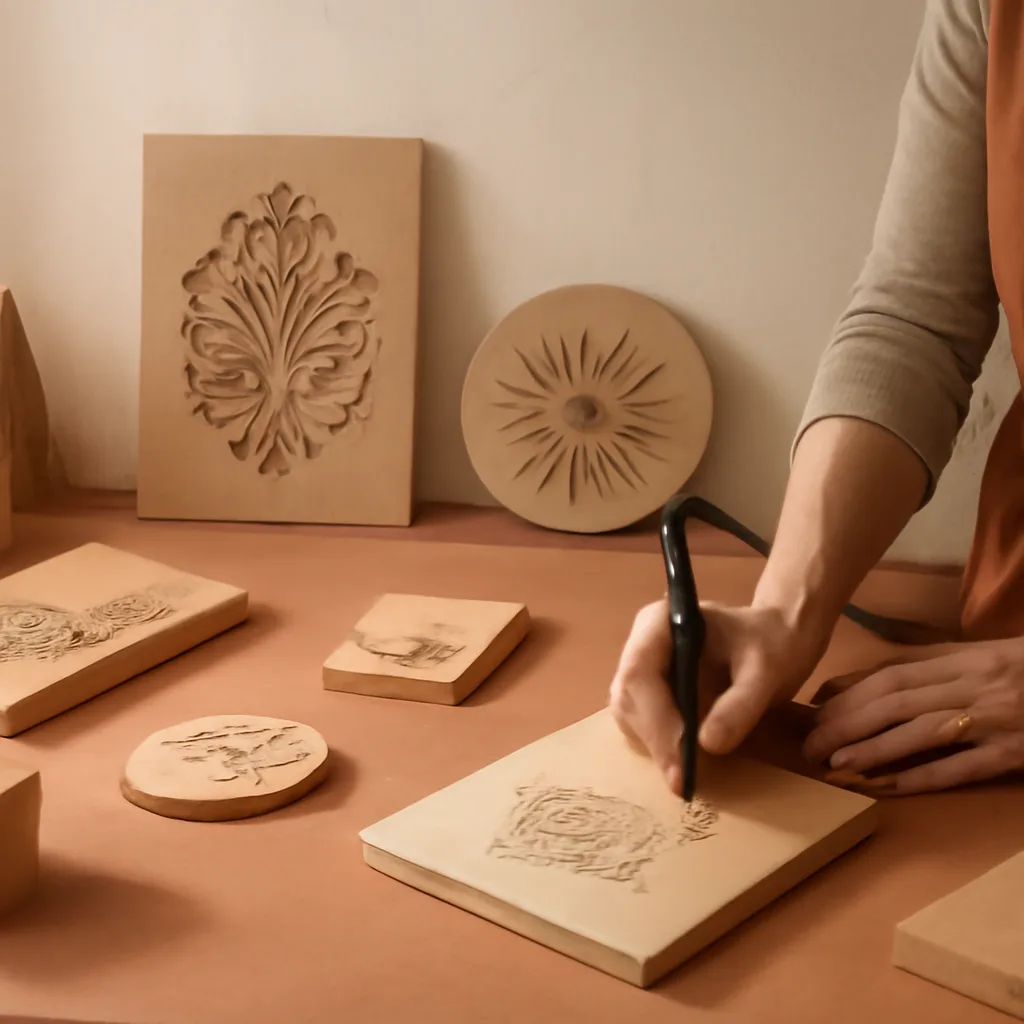
Understanding Wood Characteristics for Laser Engraving
Wood is a natural material with varying densities, grain patterns, and resin contents that significantly affect laser engraving outcomes. These factors determine how the laser interacts with the surface, altering burn depth, contrast, and detail visibility.
Hardwoods tend to have tighter grains and denser fibers, allowing for more precise and detailed engravings. Softwoods generally engrave faster but may produce less defined details due to their porous structure.
Consider moisture content as well; overly wet wood can cause inconsistent burning, while very dry wood may char excessively. Choosing wood with stable moisture levels improves engraving consistency.
- Density influences laser burn and engraving depth.
- Grain patterns affect design clarity and texture.
- Moisture content can cause burning variation and coloration changes.
Best Wood Choices for Laser Engraving
Certain hardwoods are widely favored for laser engraving due to their balance of density and aesthetic appeal. Maple offers a smooth, light surface perfect for high-detail work. Cherry provides warm reddish tones that develop contrast beautifully. Walnut's dark color contrasts well, enhancing engraved design visibility.
Among softwoods, basswood is popular for its pale color and minimal grain interference, yielding clear engravings. Alder wood combines a soft texture with an attractive surface that engraves cleanly.
Exotic woods like bamboo also respond well to laser engraving, creating dramatic contrast and interesting natural patterns. When choosing wood, prioritize species that burn evenly and reveal clear details.
- Maple: smooth texture, excellent detail.
- Cherry: warm tones, good contrast.
- Walnut: dark and rich color, high contrast engravings.
- Basswood: pale, soft grain for clarity.
- Alder: soft and clean surface.
- Bamboo: strong contrast with natural patterns.
How Wood Color and Grain Affect Engraving Appearance
The natural color of wood plays a significant role in the final engraving look. Light woods produce engravings that appear as darker burn marks. Dark woods often show lighter burn lines or require deeper engraving for detail.
Grain orientation and size can enhance or hinder the readability of designs. Straight, fine grains allow for uniform engraving results, while prominent or irregular grains may interfere with detail visibility.
Selecting wood with minimal knots and consistent grain improves the overall look of engravings, especially for intricate designs.
- Light woods create darker engraved contrasts.
- Dark woods may require deeper engraving for visibility.
- Straight grain patterns yield consistent results.
- Knots and irregular grains can distort engraving details.
Finishing Techniques to Enhance Laser Engraved Wood
After engraving, applying the right finish can protect the wood and highlight the design. Clear sealers preserve natural wood color and provide durability.
Oils like tung or linseed oil enrich wood tones and add depth to the engraving contrast. Avoid finishes with heavy pigments that obscure detail.
Sanding prior to engraving ensures a smooth surface for crisp engraving lines. Post-engraving cleaning to remove residue improves design clarity.
Always test finishing products on sample wood pieces to ensure compatibility with your engraved designs.
- Clear sealers protect without altering appearance.
- Natural oils enhance wood color and engraving contrast.
- Smooth sanding promotes sharp engraving edges.
- Remove laser residue to clarify detail.
Choosing Wood for Specific Project Types
The intended use of the engraved piece influences wood selection. For decorative items requiring fine detail and aesthetic appeal, hardwoods such as maple or cherry are ideal.
For functional objects like cutting boards or coasters, woods with greater durability and resistance to wear, like walnut or alder, are preferable.
When engraving gifts or personalized items, consider wood color and grain to complement the design and enhance readability.
Matching wood type to project purpose and expected wear extends the life and appeal of laser-engraved wood products.
- Hardwoods for detailed decorative pieces.
- Durable woods for functional items.
- Color and grain should complement design style.
- Consider wear resistance for intended uses.
Discover more
How Laser Engraving Works: A Simple Explanation
Understand the laser engraving process on wood, from design to finished product, explained clearly for beginners.
Customizing Wood Gifts with Laser Engraving
Explore creative ideas and benefits of personalized laser engraved wooden gifts for unique, memorable presents.
Maintaining and Caring for Laser Engraved Wood Products
Discover essential tips to preserve the beauty and longevity of your laser engraved wooden items with effective maintenance and care.
Laser Engraving Safety Tips and Best Practices
Essential safety measures and best practices to follow during laser engraving operations for wood products.
Top Trends in Wood Laser Engraving Design for 2024
Explore the most popular wood laser engraving motifs and styles shaping design trends in 2024 for custom wood products.
How to Order a Custom Laser Engraved Wood Product
Step-by-step guide to ordering personalized laser engraved wood products from GLM Laser Wood.